
How to finance a vineyard: purchasing, expanding, or refinancing
Whether you’re looking to buy your first vineyard, take an established one to the next level, or refinance existing borrowing, securing funding is rarely straightforward. Graham Sanders, one of R&BS’s consultants with over 30 years of experience in vineyard finance, explains where applications succeed or fail and how to give yourself the best possible chance.
Who is looking for vineyard finance?
Today, the majority of vineyard buyers are passion-driven people who love wine and have decided to build a life and business around it. That passion is vital, because the journey from planting to profitability is long.
Alongside new entrants, we’re also seeing established vineyard owners looking to take the next step, like expanding acreage, building a winery, or investing in wine tourism.
The third group are experienced growers who have “hit a wall” with their existing lender and need to move somewhere better suited to the realities of the business.
Why vineyard finance isn’t “one size fits all”
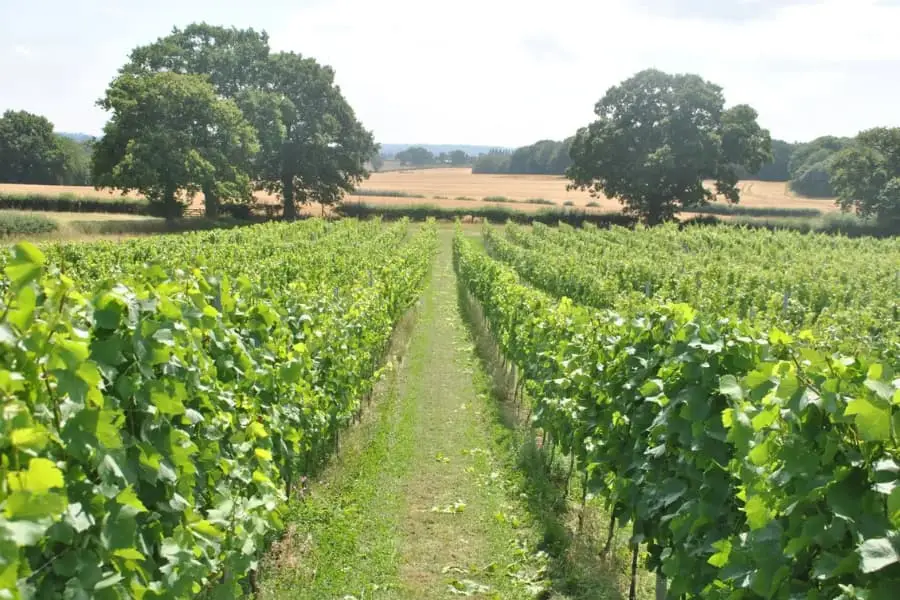
A vineyard is a complex hybrid of land, business and often hospitality.
- Time to profit is the central issue. For still wines, you can start producing a crop within a few years of planting. But for sparkling the wine must spend time maturing in the bottle before it can be released, which means you won’t generate cash for some time. In practice, you’re looking at around seven years from planting before meaningful production arrives. Real cash isn’t going to be generated until even later. Lenders often struggle with this because, unlike traditional farming, there is little income in the early years. Without a proper understanding of the sector, lenders can misinterpret this as underperformance.
- Valuation is complicated. Bare land suitable for vineyards can command a significant premium. In parts of Sussex or Kent, values of £20,000+ per acre are not uncommon. As vines mature, valuations can reach £30,000+ per acre, but getting to that point takes time. However, the gap between what buyers pay and what lenders will lend against can be substantial. The age of the vines, what’s been planted, and whether a winery and visitor infrastructure exist all have a significant bearing on what a lender will consider. RICS can help you identify a suitably qualified valuer.
- Weather and vintage variation are real factors. English vineyards typically don’t suffer crop failure, but yields can vary significantly from year to year. When we prepare forecasts, we work to an average that accounts for good years and bad.
What is the timeline?
Every vineyard is different. The timeline below reflects a typical development path, but outcomes vary considerably depending on a multitude of factors, such as site conditions, variety planted, the balance of still and sparkling production and the experience of the team. It is intended as a general guide only.
| Timeline | Likely Stage |
|---|---|
| Year 1 | Site assessment, planning, land purchase. Capital required for vines, trellising, equipment and working capital. No crop. |
| Year 2–3 | Vines establish. No commercial yield. Working capital required. |
| Year 3–4 | First small crop possible for still wine production. |
| Year 5–6 | Meaningful still wine production begins. Sparkling grapes harvested but wine not yet released. |
| Year 7 | First sparkling wine release possible (after bottle maturation). |
| Year 8-15 | Consistent cash generation. Business maturing. |
| Year 15+ | Full profitability realistic for most well-planned operations. |
Approaching the right lender — and why it matters
The pool of lenders who understand vineyards is small. A poorly positioned application can not only result in a decline, but can make it difficult to return to that lender with a stronger case later.
Some high-street banks can be more supportive of established vineyards, particularly where diversified income streams exist. For newer or more complex cases, private banks can be an option, although they often retreat when it becomes a significant commercial operation.
Our advice: don’t approach lenders directly. Let us do the groundwork, and make the first approach count.
What makes or breaks an application?
Lenders are looking for several key confidence markers:
- Capital and depth of resources. A lender will assess not just how much you want to borrow, but how much you are investing yourself — and what reserves you have. For a new planting, the mortgage can get you the land, but you’ll still need capital for the vines, the trellising, the equipment, and years of working capital before meaningful income arrives.
- A credible, realistic business plan. This means numbers are honest, income projections are grounded, and the path to cash generation is clearly laid out. What can you do to start generating income earlier? Cellar-door sales, wine tourism, events — all of these can shift the picture.
- The right professional team. Your choice of advisors matters. An experienced winemaker, specialist land agent, and knowledgeable accountant all help build lender confidence, as well as improving the long-term success of the business.
- A clear USP and route to market. What makes your vineyard stand out? Who are you selling to — quality hotels and restaurants, direct to the consumer through a cellar door, or building towards supermarket listings at volume? A ten-acre vineyard, for example, isn’t going to supply supermarkets; it needs to be built around direct sales and locality.
- The right partnerships. In the early stages, many vineyards use an off-site or contract winery, which is a sensible arrangement to avoid significant capital outlay before the business can support it. These partnerships should be highlighted in an application, as they demonstrate practical planning. The same applies to other early-stage collaborations: local hospitality venues, wine-tourism networks, or shared distribution arrangements can all help build revenue and credibility while the business finds its feet.
- Experience.Prior knowledge of viticulture and the food and drink industry carry weight with lenders. It doesn’t have to be direct vineyard experience, but a borrower who can demonstrate they understand what they’re taking on, who has engaged a qualified winemaker, and sought agronomic advice will always present a stronger case than someone who is learning as they go.
Before you apply: what to do in the twelve months beforehand
The key message for anyone seeking vineyard finance is: work with people who know this world properly, go to the right lenders in the right way, and give the application the preparation it genuinely needs. These start well before you approach a lender:
- Get the site properly surveyed.Aspect, elevation, soil type, and drainage all determine whether a site will actually support a viable vineyard.
- Build your professional team and partnerships.Engage with your winemaker, land agent, mortgage consultant, accountant and potential partners mentioned above early. These relationships matter to lenders and to your own success. WineGB is a valuable source of industry information and guidance for members and English Wine is a useful source for statistics.
- Understand your skill gaps. Running a vineyard requires capabilities in winemaking, viticulture, sales, marketing and hospitality. You don’t need to do everything yourself, but you do need a plan on how you’ll fill those gaps. Plumpton College’s Wine Division has excellent facilities and courses to help you and your team.
- Get comfortable with the timeline.Vineyards are long-term investments. It’s important to be honest with yourself, and your family, about how long this journey takes.
A word on refinancing
Many clients come to us when lender support changes, often due to a shift in bank personnel or credit appetite.
In these cases, the key question is always: what has the business produced for the existing lender, and does it tell the right story? If the forecasts were realistic and the business is following the agreed trajectory, we can make a strong case elsewhere. Nine times out of ten, the issue is that the original lender set unrealistic profitability expectations.
Whether refinancing or expanding, the fundamentals are the same: clear financials, realistic projections and a well-structured narrative.
The outlook
The English wine industry continues to show strong long-term potential. We produce less than 1% of the wine we consume as a nation, quality is world-class, and increasing international recognition and investment – including from major Champagne houses – is a massive vote of confidence.
It’s a challenging sector to finance, but for well-planned and well-funded businesses, the opportunity is real.
CONSIDERING A VINEYARD PROJECT?
An early conversation can make a significant difference. We’re happy to talk through your plans and help you understand what’s achievable and how best to approach it.
Please give us a call or email us.
North: 0800 781 1822 South: 0800 781 0639
MORTGAGES
-
Farm & Estate Mortgages

For agricultural businesses and landed estates to buy land, remortgage, diversify, build or convert buildings, buy out family members and more…
-
Rural Business Mortgages

For enterprises such as vineyards, horticulture, camping, tourism and recreation to expand, build or convert facilities, renegotiate existing loans and more…
-
Equestrian Mortgages

For equestrian businesses such as livery yards, studs, racing yards, and riding schools to buy land, expand, build houses on site, remortgage and…
-
Smallholding Mortgages
For land-based businesses, including agricultural-ties properties, to grow, diversify, build, restructure existing debt and more…