
Farm finance – mid-2026 outlook update
Last updated: 10 June, 2026
At the start of the year, we set outour expectations for 2026: gradual interest rate easing, broadly stable land values, continued pressure on farm incomes, and a lending environment that rewards well-prepared businesses. Six months on, we revisit that picture and assess what has held up, what has shifted, and what the second half of the year (H2) is likely to bring.
Interest rates: the expected easing has stalled
Our January outlook anticipated a gradual decline in the base rate through 2026, suggesting we might see it approach 3% by year-end. That direction of travel has not materialised.
Continued instability in the Middle East has pushed oil and energy costs higher and contributed to a difficult inflationary outlook for the Bank of England. The Bank held the base rate at 3.75% at its April meeting, with the MPC voting eight to one in favour of holding and one member voting for an increase to 4%. CPI inflation has risen to 3.3%, above the Bank’s 2% target, and the MPC has warned that inflation is likely to be higher later in the year as energy price rises feed through.
Some forecasters now believe the base rate may rise rather than fall before year-end. The June MPC meeting will be an important signal for H2. The most likely scenario remains an extended hold, with any rate cuts dependent on inflation returning convincingly towards target.
Our original message stands: building financial headroom and choosing the right lender and funding structure continues to be more important than waiting for cheaper borrowing costs that may not arrive on schedule.
Land values: broadly stable, but the quality gap is widening
Our January prediction of broadly stable land values has largely proved accurate, although the market has become increasingly selective.
The inheritance tax picture has also evolved. The original APR threshold was increased from £1 million to £2.5 million per individual. Taking effect in April 2026, this significant change has materially reduced the number of estates facing meaningful tax bills on succession. As a result, the wave of distressed or precautionary land sales anticipated by some commentators has not emerged.
For a deeper look at navigating the IHT rules, you can read our guide on farm inheritance tax planning and financing your succession.
Looking to H2, analysis from Strutt & Parker suggests land values are likely to stay broadly stable, with the widening gap between prime commercial land and secondary or marginal ground continuing. Non-agricultural buyers (institutional investors, environmental and natural capital purchasers) stay active and are less exposed to farming margin pressures or IHT considerations.
For clients considering a sale, purchase or refinancing decision in H2, the message is the same as it was in January: timing and preparation are critical. Well-presented, well-located land continues to find buyers, while patience and high-quality professional support are increasingly important elsewhere in the market.
The SFI reset: important clarity for income planning
One area where the picture has sharpened considerably since January is environmental scheme policy. The Sustainable Farming Incentive (SFI) closed to new applications in March 2025 once its budget was fully allocated, creating a period of significant uncertainty for businesses planning future agri-environment income streams.
That uncertainty is beginning to ease following Defra’s release of the ‘near-final’ SFI26 scheme guidance in early June 2026. The first official application window is anticipated from 30 June for small farms and farms with no existing Environmental Land Management (ELM) revenue agreement. The second wider window is still expected to open in September. The revised scheme is expected to feature a streamlined set of actions with a greater emphasis on sustainable food production, soil health, water quality and biodiversity.
For many businesses, the timing of the later application window and the revised action list means income planning conversations need to take place now. Understanding which actions are eligible, how they interact with existing agreements, and how SFI payments fit into the wider farm income picture will be a key part of H2 financial planning for many farmers.
Farm incomes: pressure persists across most sectors
Our January forecast of subdued farm incomes has been reflected by the data. DEFRA forecasts show that most farm types are expected to see a fall in average farm business income in 2025/26. Lower cereal prices compounded by variable yields are the primary driver in arable.
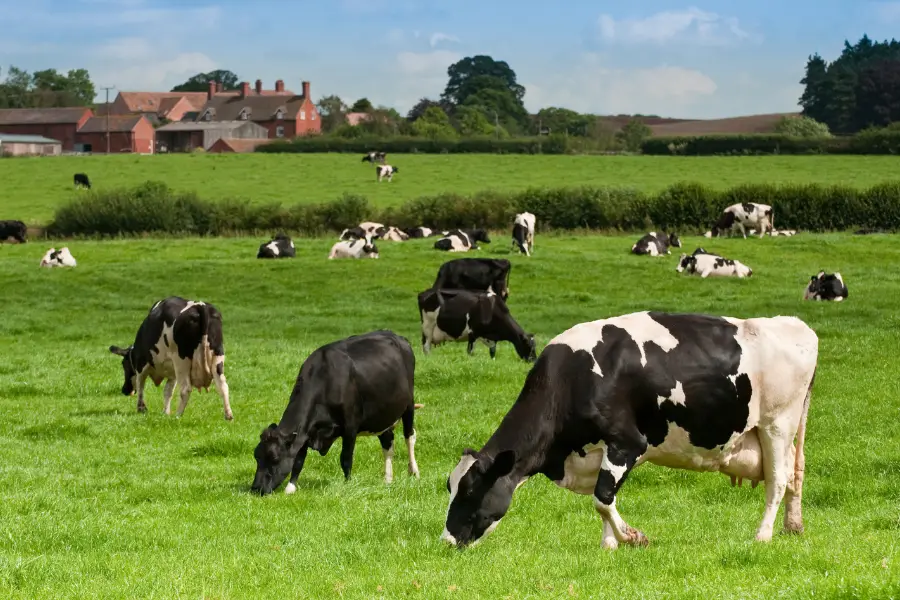
The dairy sector has faced greater pressure during H1 than earlier income projections suggested. Farmgate milk prices have fallen as supply continued to outpace demand, leaving many producers facing significant margin pressures despite modest easing in input costs. Many dairy businesses are taking a more defensive approach to investment and borrowing decisions, with greater focus on liquidity, cost control and cashflow resilience.
The livestock sector has been relatively more stable, although sentiment remains cautious. Livestock prices have eased only modestly, and the capital investment appetite we flagged in January has remained cautious. Businesses continue to take a measured approach: moving forward where there is a clear commercial case, but with tighter scrutiny of returns.
Looking to H2, margins are expected to remain under pressure across most sectors. Businesses with diversified income streams, clear cost control and a proactive approach to environmental scheme participation are likely to be best placed to navigate continued volatility.
Bank appetite: positive, but proposal quality increasingly decisive
Lender appetite for the agricultural sector is supportive, and we have seen no material change in that position through H1. Banks continue to view agriculture as a relatively stable sector and are willing to lend where the business case is clear.
What has changed is the detail required to get there. Credit processes involve closer scrutiny of margin pressure, cost of production benchmarking, cashflow resilience, and succession and diversification planning. Basel 3.1 and its implications are beginning to rear their heads.
Our observation from January that thorough record-keeping and benchmarking builds genuine confidence with lenders is increasingly relevant. Businesses that can demonstrate performance data, realistic forward projections, and a clear understanding of how they are managing risk are consistently achieving better outcomes than those approaching lenders at short notice with limited supporting evidence.
For H2 lending conversations, whether for refinancing, capital investment or restructuring, early engagement and careful, professional preparation are the defining factors. This is where our consultancy relationship continues to add significant value.
The businesses navigating the changing landscape best are the ones who planned ahead.
Find out what’s possible for your business. Talk with our team or email us.
North: 0800 781 1822 South: 0800 781 0639
MORTGAGES
-
Farm & Estate Mortgages

For agricultural businesses and landed estates to buy land, remortgage, diversify, build or convert buildings, buy out family members and more…

-
Rural Business Mortgages
For enterprises such as vineyards, horticulture, camping, tourism and recreation to expand, build or convert facilities, renegotiate existing loans and more…
-
Equestrian Mortgages
For equestrian businesses such as livery yards, studs, racing yards, and riding schools to buy land, expand, build houses on site, remortgage and…
-
Smallholding Mortgages
For land-based businesses, including agricultural-ties properties, to grow, diversify, build, restructure existing debt and more…


